
15 Professional Tips for Using Airless Spray Guns in 2026
Airless spray guns are essential tools for professionals. They offer some great benefits, like applying materials quickly over large areas and providing a smooth, high-quality finish. Whether you're working with a small or large project, these spray guns are versatile enough for a range of budgets and jobs. Painters use them for various coatings, from basic paints to more specialized finishes.
However, getting the best results comes down to using the equipment the right way. Not only does proper technique help you achieve a flawless finish, but it also keeps you safe while working. This guide covers 15 key tips to help you use airless spray guns more effectively and safely.
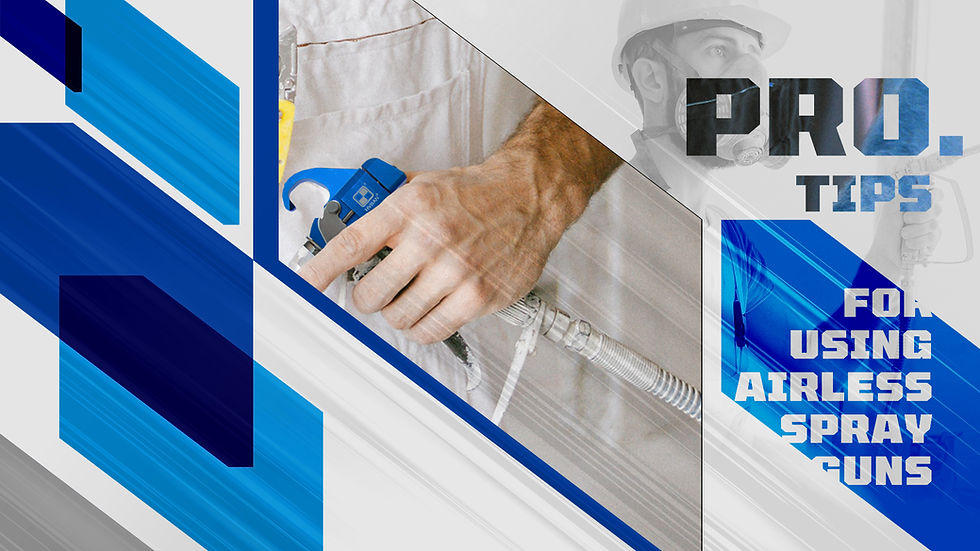
What is an Airless Spray Gun?
Before diving into the specific tips for operating an airless spray gun, it's helpful to understand how it works.
An airless spray gun relies on high pressure to atomize paint into tiny droplets. A high-pressure pump forces the coating through a small spray nozzle, creating a fine mist that's sprayed onto the surface. This method produces a smooth, even airless spray pattern, making it ideal for covering large areas quickly, such as walls and ceilings. Compared to traditional brushes or air spray guns, this approach offers faster application, wider coverage, and greater efficiency. Because this technology uses such high pressure, it's crucial to follow the right operating procedures. This brings us to the most important rule.
What is the Number One Rule When Using Airless Spray Guns?
The number one rule when using airless spray guns is safety. The high pressure that makes these tools effective also brings serious risks if the correct procedures aren't followed. All other rules of operation come second to this.
The most severe danger is a high-pressure injection injury, which occurs when the sprayer injects paint under the skin. The entry point can be as small as a pinprick, making the risk easily overlooked. As confirmed by health authorities like the U.S. National Institutes of Health, this is a serious medical emergency that requires immediate, specialized care to prevent severe tissue damage or even amputation.
To operate safely, there are three key areas to focus on: personal protective equipment, correct gun handling, and creating a safe work environment.

1. Personal Protective Equipment
Wearing the right PPE is your first line of defense. Before starting, always check that all your gear is in good condition—no cracks, tears, or damage.
Safety Goggles: Protect your eyes from paint splatter and atomized mist, which can cause irritation or even blindness.
Gloves: Protect your hands from chemicals and serve as a barrier against accidental injection.
Respirator/Mask: An airless paint sprayer creates a fine mist of paint particles, which should not be inhaled. A respirator keeps your lungs safe from harmful materials.
Protective Clothing: Long sleeves, pants, and closed-toe shoes offer extra protection for your skin.
2. Safe Operating Practices
Never Point the Gun at Anyone: Always ensure the spray gun is pointed away from yourself and others.
Keep Hands Away from the Spray Tip: Never place your hand or finger in front of the spray tip unless the unit is turned off, unplugged, and fully depressurized.
Use the Tip Guard: The spray tip guard is a key safety feature. Always make sure it's in place before spraying to prevent accidental contact and injection.
Engage the Trigger Lock: Always use the trigger lock when you stop spraying, even if just for a moment. This helps prevent accidental discharge.
Follow the Pressure Relief Procedure: Always relieve the pressure in the system before cleaning, servicing, or changing tips.
Read the Manual: Always read and understand the manufacturer's instructions before using the airless spray equipment.
3. Workspace Safety
The area where you work is just as important as how you handle the spray gun.
Ensure Proper Ventilation: Work in a well-ventilated area to help disperse paint fumes and airborne particles.
Maintain a Clean Area: Keep the work area free of clutter and obstacles. Tripping hazards can lead to serious accidents.
Prevent Fire and Electrical Hazards: Keep the spray area clear of ignition sources, such as open flames or sparks. Never smoke while spraying. Also, ensure that the airless sprayer is properly grounded to avoid electrostatic discharge.
14 Additional Tips for Using Airless Spray Guns
While safety comes first, these additional tips focus on best practices for technique, efficiency, and maintenance. Following them will not only help you achieve a high-quality finish but also extend the lifespan of your equipment.
Preparation

1. Choose the Right Spray Tip
The spray tip is crucial as it controls both the spray pattern and the flow rate of the material. Using the wrong tip can result in uneven coverage, excess overspray, and clogs. Always check the paint container for the manufacturer's recommended tip size. If you're unsure how to choose the right tip, check out our full article on selecting the best airless sprayer tip.
2. Strain the Paint
Even brand new paint can have small lumps or impurities that might clog the spray tip. To prevent this, always strain your paint through a mesh filter before pouring it into the sprayer. This step ensures smooth flow and minimizes interruptions.
3. Protect the Work Area
Overspray can drift and land on surfaces you don't want to paint. Before you start, cover floors and furniture with drop cloths. Mask off windows, trim, and anything else that needs protection using tape and plastic or paper.
4. Perform a Test Spray
Before starting on your surface, always do a test spray on a piece of cardboard or scrap wood. This helps you check the spray pattern for an even, consistent fan. If you notice "tails" or lines at the edges of the pattern, it means the pressure is too low. Gradually increase the pressure until the spray fan becomes smooth and even. This way, you'll ensure you're using the optimal pressure for your material without creating excessive overspray.
Technique

5. Maintain a Consistent Distance
Keep the airless spray gun about 10 to 12 inches from the surface. Spraying too close can cause the paint to run, while spraying too far away leads to a thin, uneven coat.
6. Keep the Gun at a 90-Degree Angle
Always hold the airless spray gun perpendicular to the surface. Avoid swinging the gun in an arc, as this will apply more paint in the center and less at the edges. Move the gun parallel to the surface for an even finish.
7. Start Moving Before Pulling the Trigger
To avoid thick spots or streaks, make sure your arm is already in motion before pulling the trigger. Likewise, release the trigger before stopping at the end of each pass.
8. Overlap Each Pass by 50%
For a smooth, uniform finish, overlap each pass by about 50%. Aim the tip of the gun at the bottom edge of your previous pass on the next one.
9. Spray Corners and Edges First
Start by spraying the corners and edges before tackling the large, flat surfaces. This ensures those tricky areas get full coverage and blend smoothly with the rest of the job.
Maintenance

10. Clean the Gun Immediately After Use
Paint can dry quickly and cause clogs, so always clean the equipment right after use. Disassemble the gun by removing the spray tip, tip guard, and filters. Clean these components with a soft brush and the appropriate solution to remove all residue.
11. Understand Environmental Conditions
Temperature and humidity can affect how your paint performs. High humidity can slow drying time, while high heat can cause the paint to dry too fast, leading to cracks. Avoid spraying in direct sunlight or windy conditions, as these can disrupt the spray pattern.
12. Use a Tip Extension Pole for Reach
For hard-to-reach areas like high ceilings, a tip extension pole is a valuable tool. It attaches directly to your airless spray gun, moving the spray tip further away from your body. This increases your reach, reduces the need for ladders, and improves control—making the job safer and more efficient.
13. Use and Maintain Your Filters
Airless spray gun filters are crucial for preventing clogs by trapping debris and impurities before they can block the spray tip. Besides the main intake filter, there's a filter in the handle of the gun. Regularly clean these filters to prevent interruptions, extend the life of your tips, and ensure a smoother finish.
14. Choose the Right Airless Spray Gun
Using a high-performance airless spray gun can make a big difference in your work. HVBAN airless spray guns are made from durable materials like forged aluminum and stainless steel, allowing them to handle a wide variety of coatings. Whether you're spraying standard latex paint, lacquer, or heavier industrial materials like roofing coatings, there's an HVBAN airless spray gun designed for the job. Plus, HVBAN spray guns work with most major sprayer brands, so they easily fit into a professional's existing airless spray machine.
Conclusion
Getting the best results from an airless spray gun comes down to prioritizing safety and applying solid techniques consistently. While each tip in this guide can help you improve, the number one rule is to always put safety first.
By following these best practices for preparation, technique, and maintenance, professionals can achieve a smooth, high-quality finish with greater efficiency and less wasted material. Ultimately, combining the right know-how with the right tool leads to the best outcomes. For a reliable airless spray gun that ensures a top-notch finish on every job, HVBAN is the choice.
Are you an airless sprayer distributor looking to expand your product line?
With over 20 years of expertise in spray painting machines and related products, HVBAN is committed to providing reliable, high-performance solutions. Click here to browse our product catalogs.
Ready to grow your business with HVBAN? Contact us today to learn more about our Dealer Partnership Program and product offerings — we'll respond quickly to support your needs.


Comments